Want to start your own e-commerce business, but the whole process of planning and organising inventory feels too time-consuming?
You've probably heard the word dropshipping before. But what does it actually mean?
What is dropshipping?
Dropshipping is an e-commerce model that lets a business sell products without managing inventory or logistics. It makes running an online store simpler and less risky for a new entrepreneur.
This model is becoming increasingly popular, as it lets entrepreneurs focus on marketing and customer service while leaving inventory management to third parties.
How does dropshipping work?
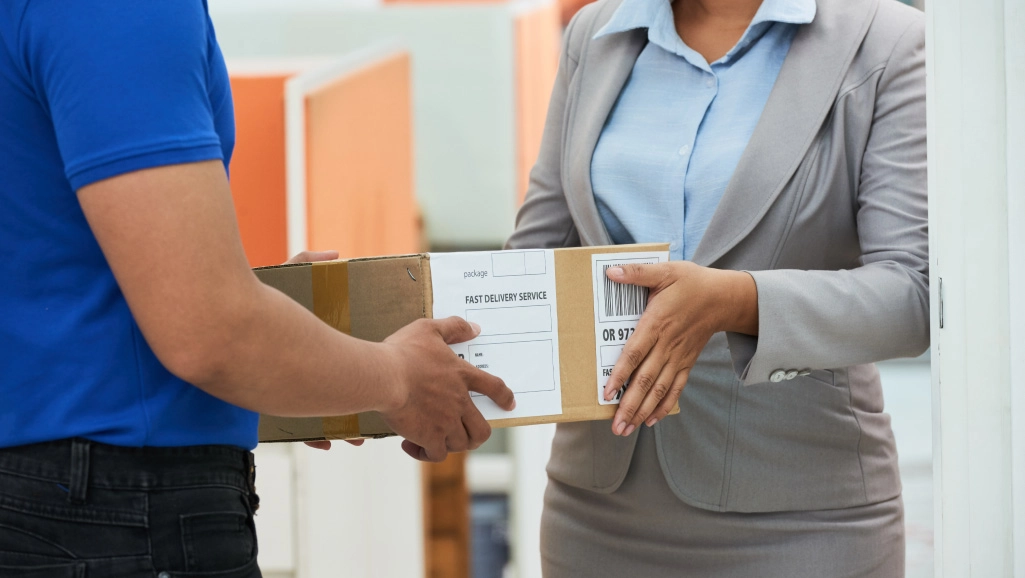
With dropshipping, the customer places an order in the online store, and the store then passes the order and the customer's details on to a supplier, who ships the product directly to the customer.
Products are ordered directly from the supplier, who sends them to an intermediate warehouse or straight to the customer. This significantly reduces the costs of starting and running a business, letting entrepreneurs focus on other important areas of their work.
This model lets stores avoid the inventory management and logistics costs typical of traditional retail.
There are also domestic companies that offer inventory management services. So it's possible to build your dropshipping business while focusing solely on the domestic market too.
Using domestic suppliers can offer several advantages, such as faster delivery times and better control over product quality. In addition, focusing on the domestic market makes it easier to understand local customers' needs and preferences, which can help build a stronger customer base and better customer relationships.
How do you find products to sell?
Finding your niche and the products you'll offer is one of the first and most important steps in the dropshipping business model. Choosing a niche helps narrow down the competition and lets you better understand the needs of your target audience.
Online platforms like AliExpress, Oberlo or SaleHoo offer a wide range of products across different categories, letting you explore various manufacturers and find products that fit your chosen niche.
It's important to find the right manufacturers who can guarantee good quality and delivery times. Spend time researching suppliers to ensure your customers are satisfied and to build a successful, sustainable business.
Also keep an eye on market trends and customer feedback to understand which products are currently in demand and which channels are most effective for selling and promoting your products.

What to keep in mind when setting up your online store?
Shopify and WooCommerce are two popular e-commerce platforms that are well suited to dropshipping. Both platforms offer integrated tools and extensions that make it easy to set up and manage a dropshipping business.
For example, you can use integrations that help automate order management, inventory tracking and customer relationships. By making smart use of existing tools, you can automate the entire administrative side and put your time into marketing your products instead.
Offering your customers a range of flexible payment solutions is undoubtedly important too. For instance, ESTO's buy now, pay later options give your customers various ways to make a purchase right away and pay for it later, or split the amount into instalments. This increases your customer's purchasing power, bringing more revenue to your business as a result.
The downsides of dropshipping
Unfortunately, no business model is completely risk-free, and dropshipping comes with certain downsides too.
Compared to traditional retail, margins can be lower, since products are purchased one at a time. It can also be harder to guarantee product quality, since as a seller you may never physically see the product. This, in turn, can lead to customer dissatisfaction and a higher number of returns.
On the customer service side, it can be difficult to resolve issues like delays or incorrect products being shipped, since you have to communicate with the supplier to get answers while the customer is waiting for a response.
Dropshipping can also come with higher shipping costs and more complex inventory tracking. Since product packaging depends largely on the supplier, offering a personalised shopping experience and setting your brand apart from competitors can be more difficult.
Despite these downsides, dropshipping can be a great way to start an e-commerce business with minimal initial investment. With thorough preparation, you can manage your risks and build a successful business that delivers value to both you and your customers.
Keep reading on our blog: How to increase sales in your online store?